

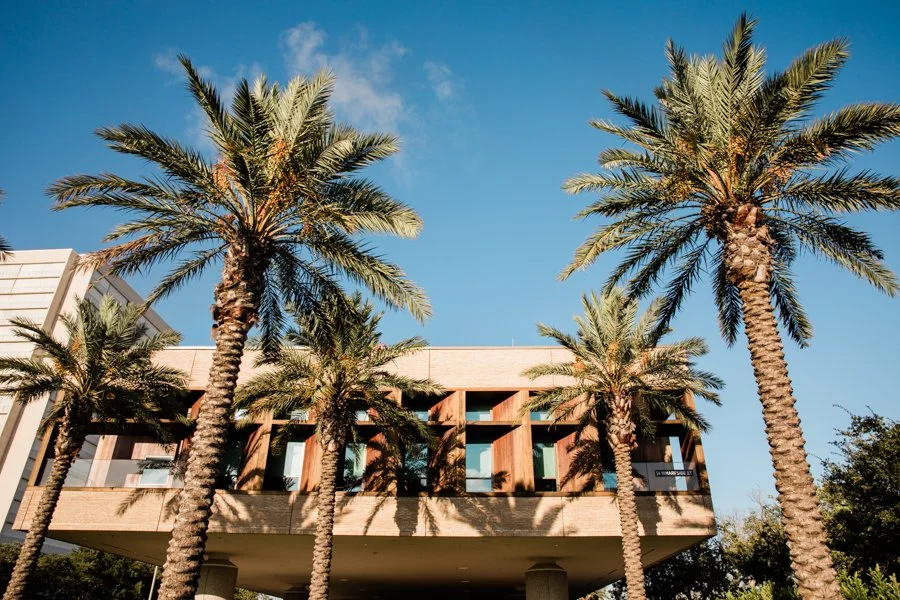
There are spaces that ask you to slow down the moment you enter them.
The International African American Museum is one of those spaces.
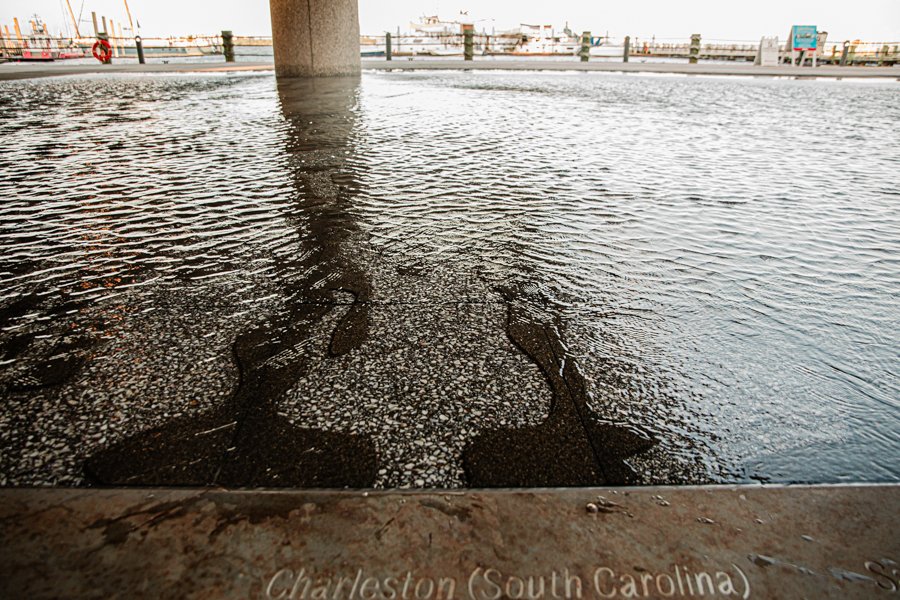
Perched along Charleston’s waterfront, the museum stands on what was once Gadsden’s Wharf — the site where an estimated 40% of enslaved Africans brought to North America first stepped onto this soil. To stand there today is to feel the weight of history in your chest.
And yet, what was once a place of separation and unimaginable despair has been transformed into a space of remembrance, resilience, and collective healing.
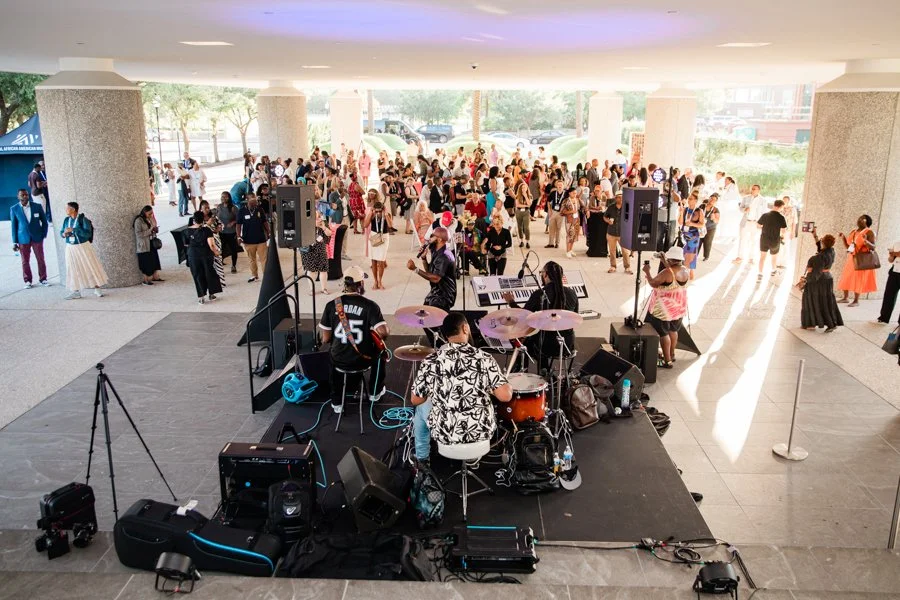
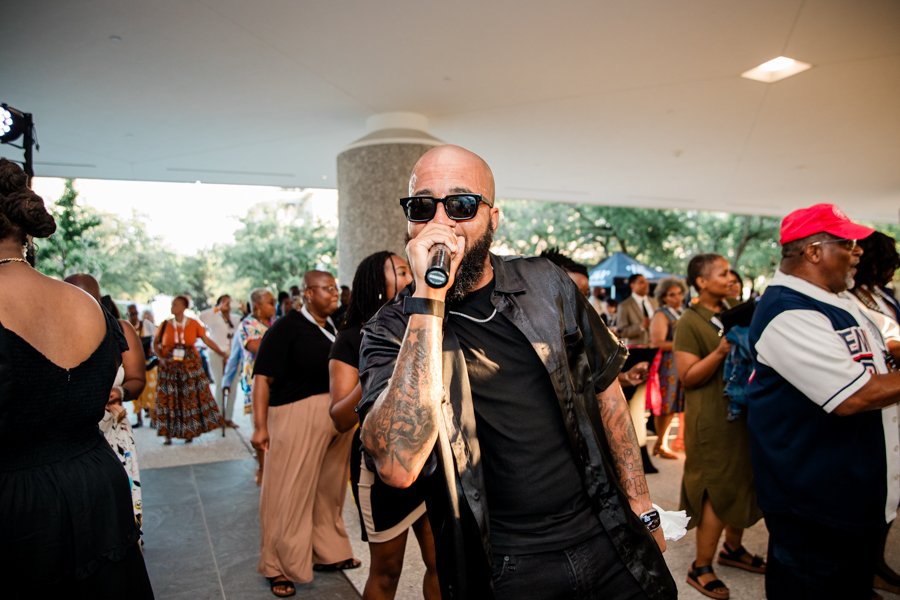
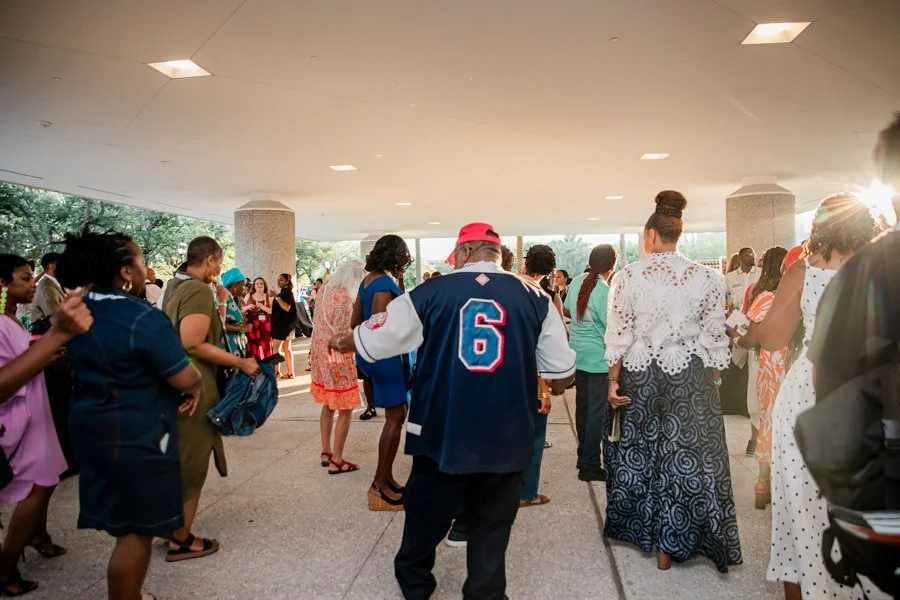
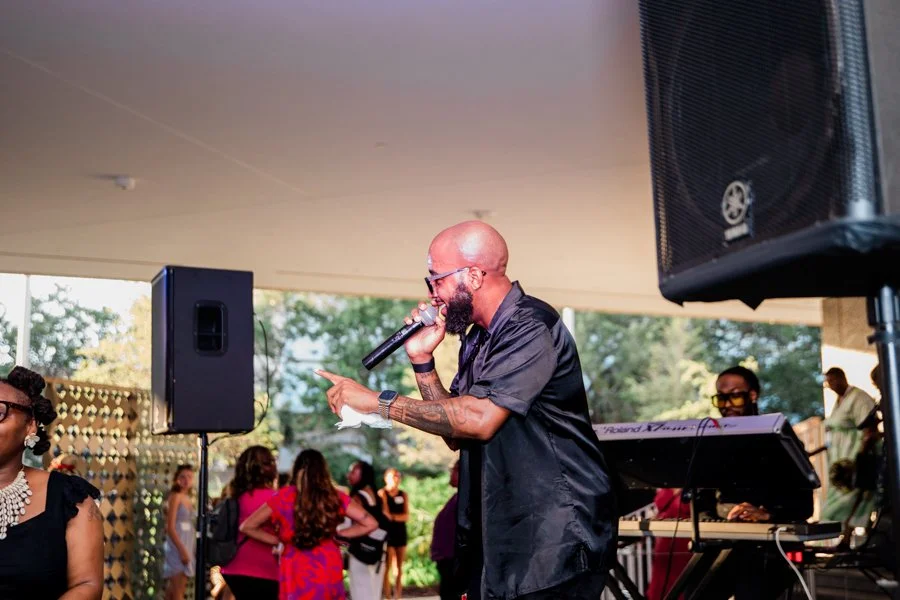
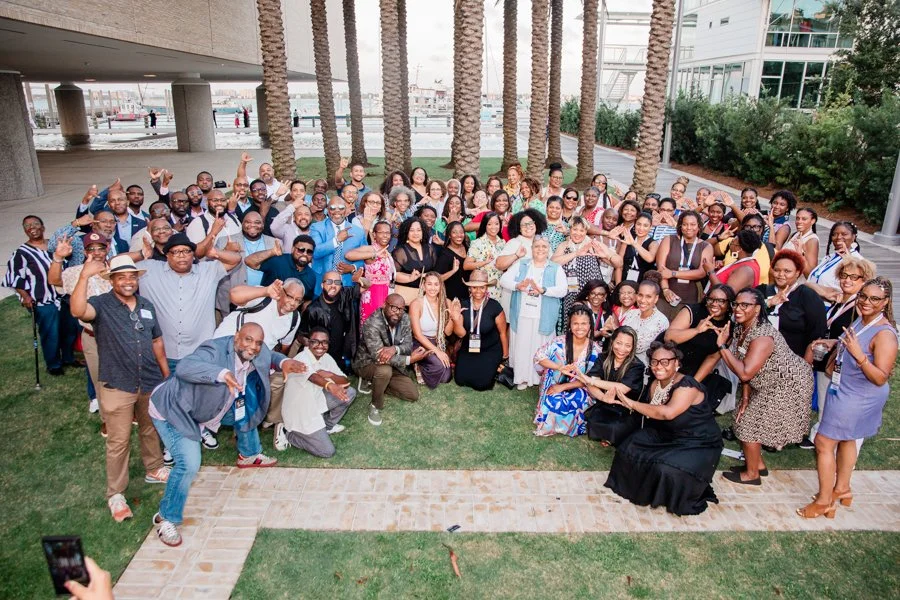
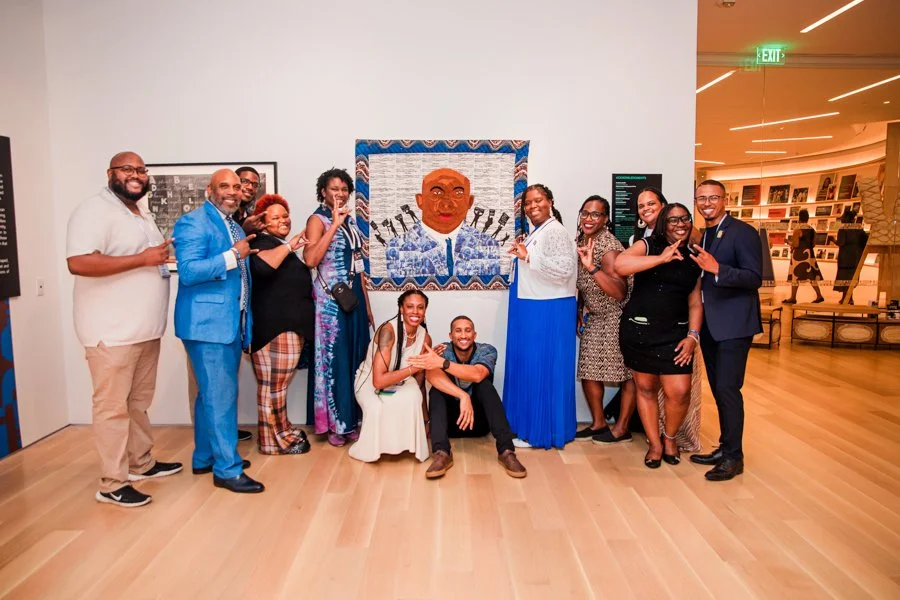
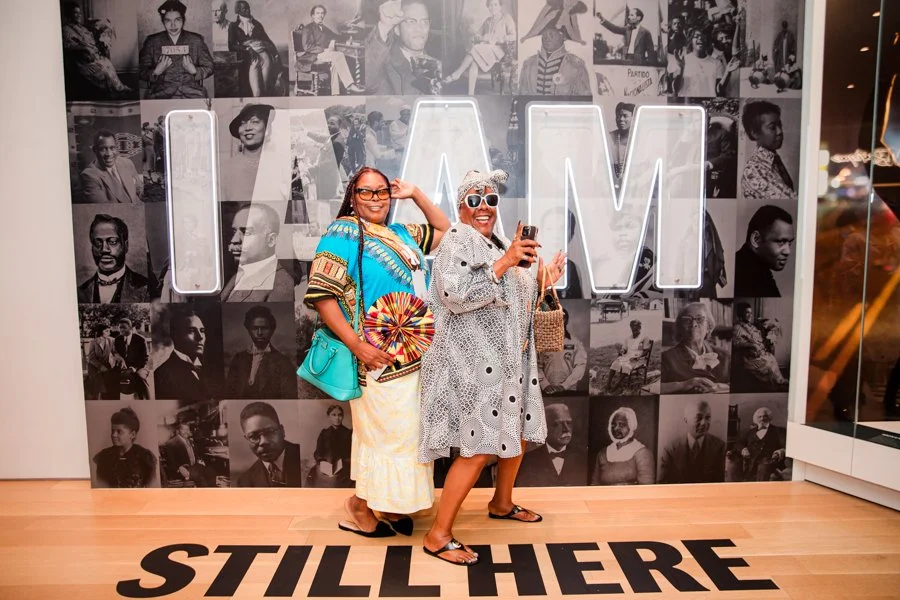
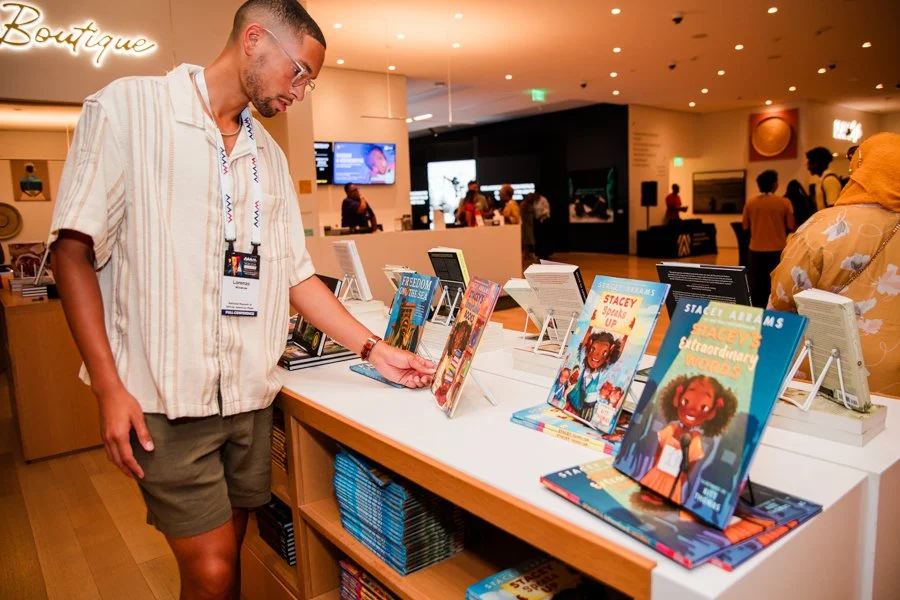
I had the profound honor of visiting alongside members of the Association of African American Museums. As the Resident Photographer for AAAM, I am often invited into rooms where legacy is being preserved in real time — but this evening felt especially sacred.
Standing on Sacred Ground
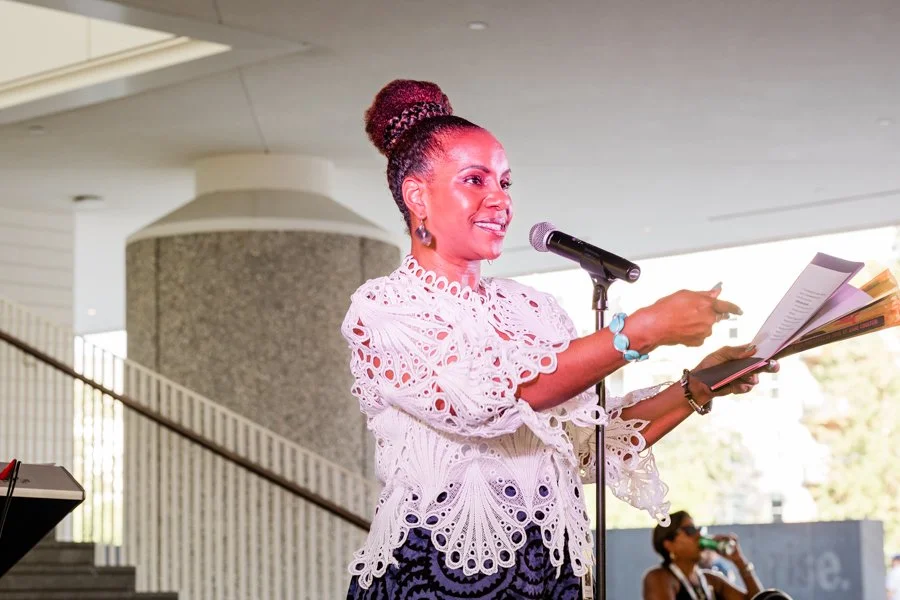
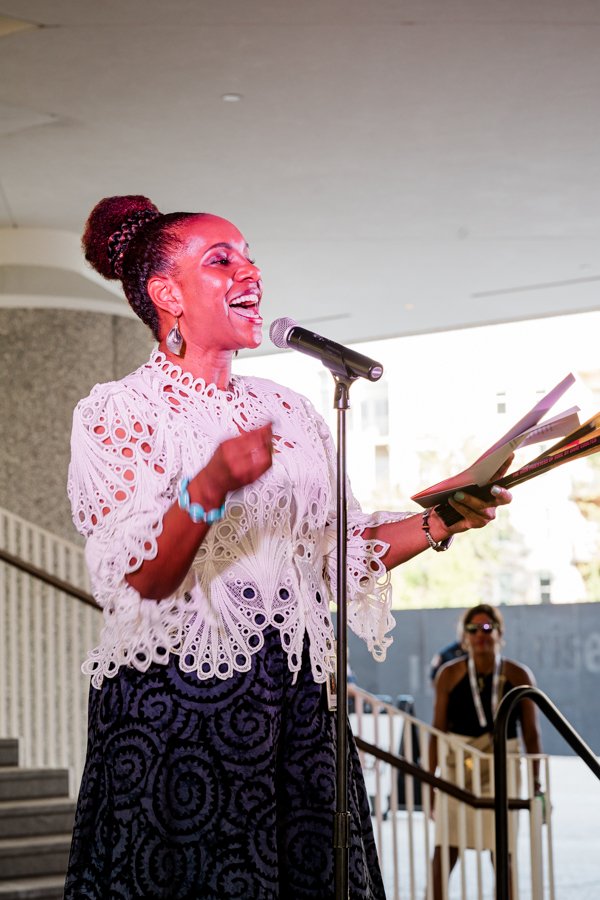
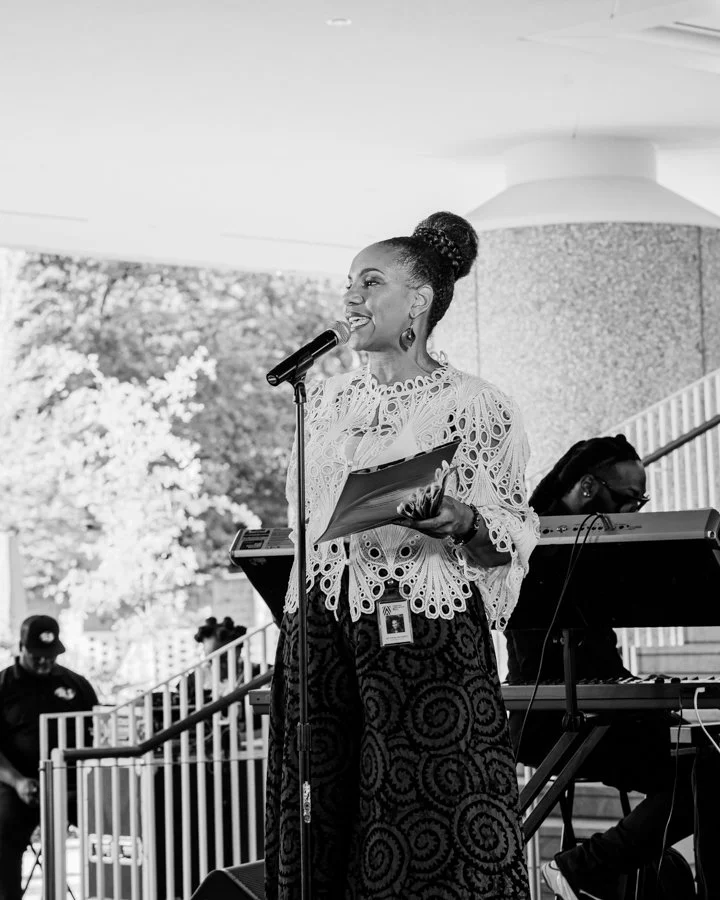
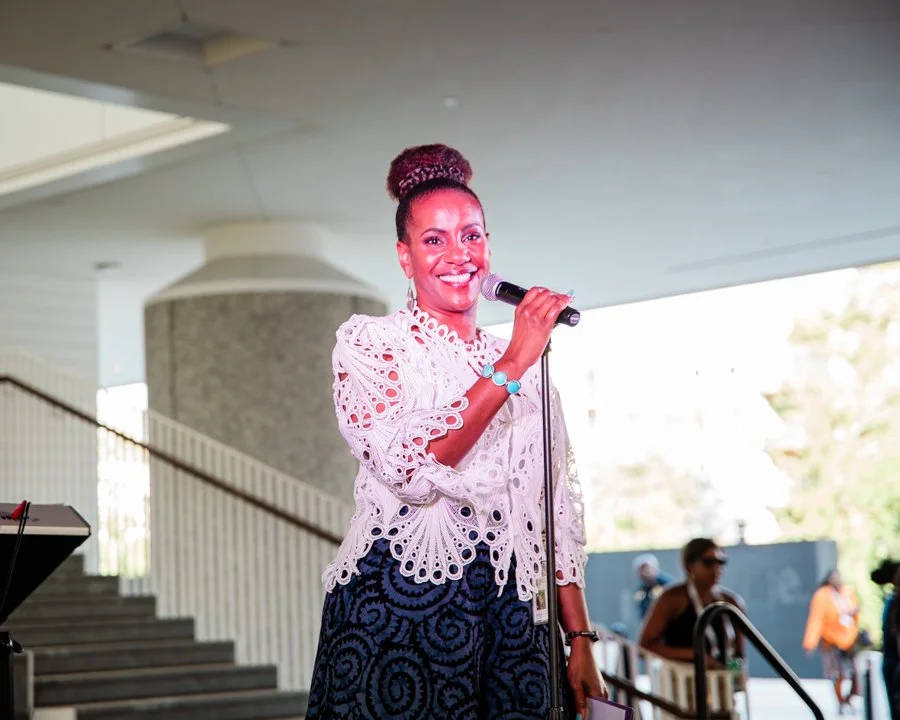
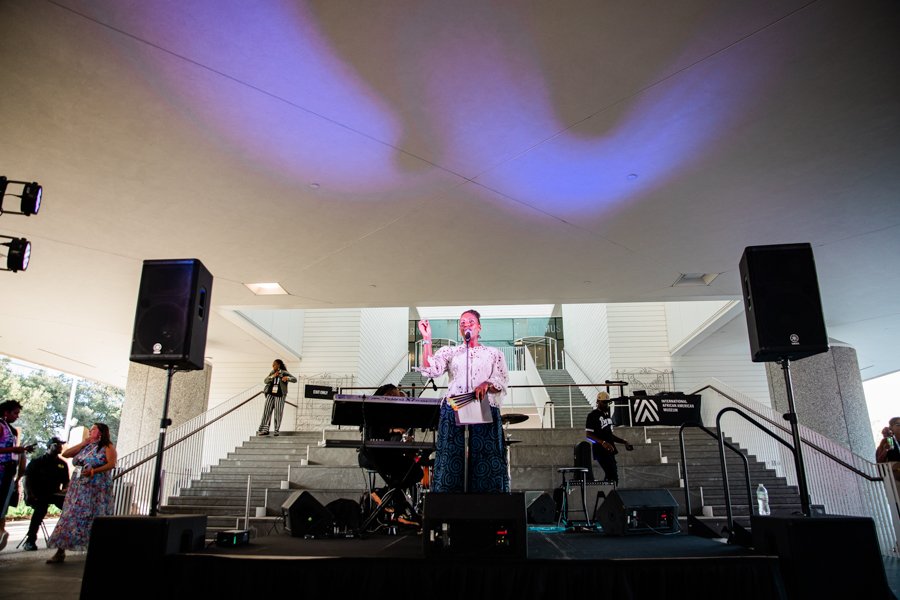
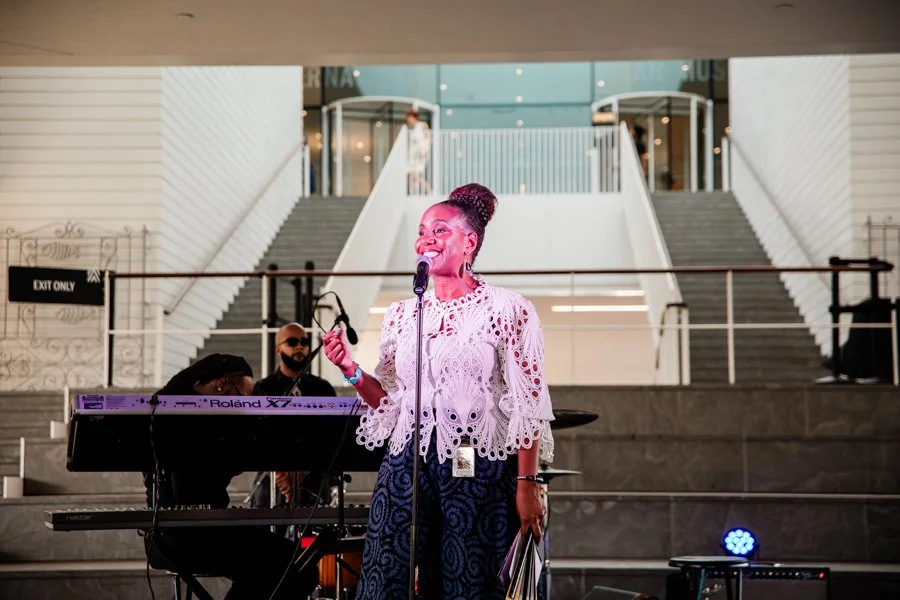
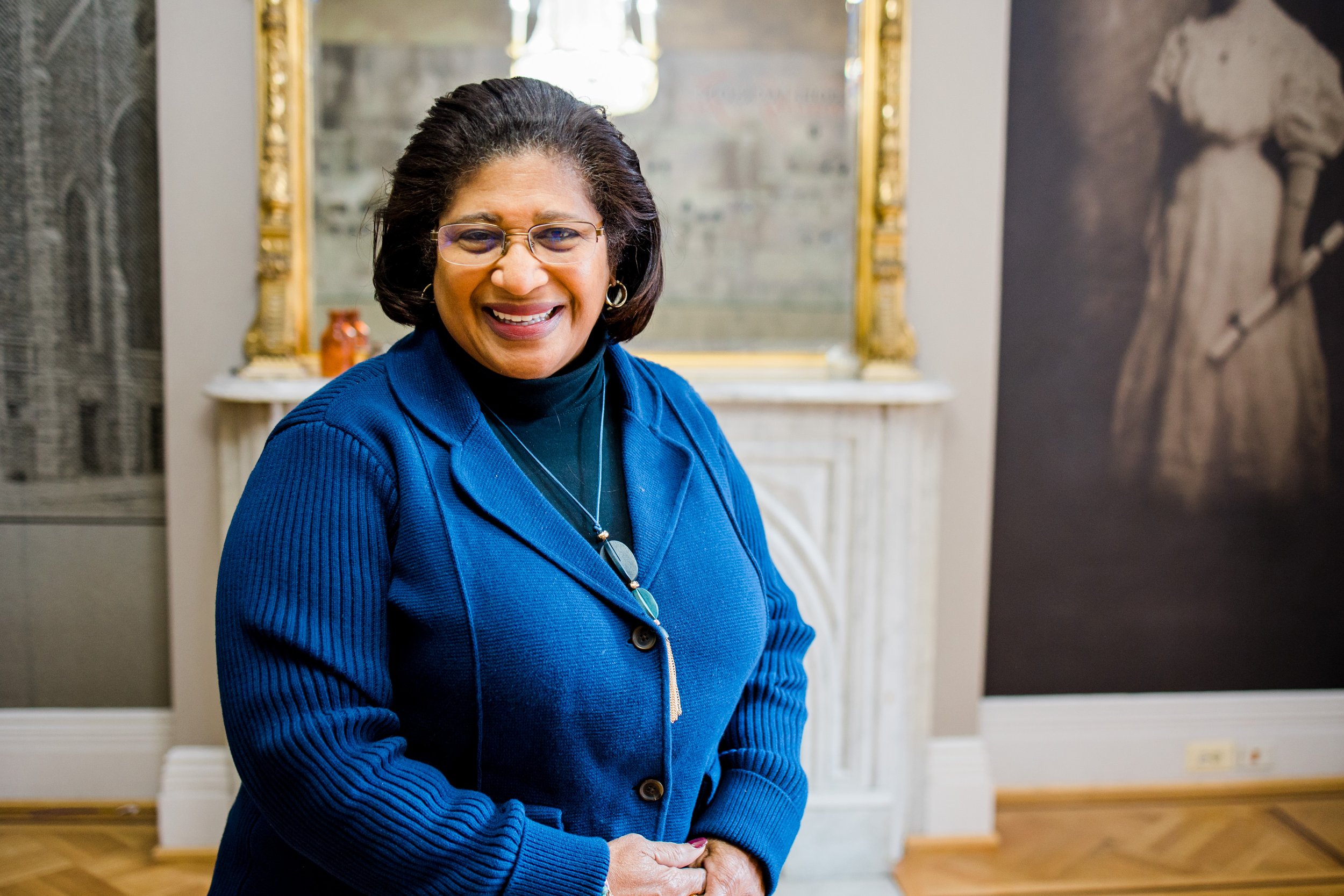
Before we explored the galleries, we were welcomed by Dr. Tonya M. Matthews, President and CEO of the International African American Museum. Her words were steady and powerful. She did not simply introduce the museum — she invited us into its responsibility.
The responsibility to remember, to tell the truth, and to honor the stories that were nearly erased.
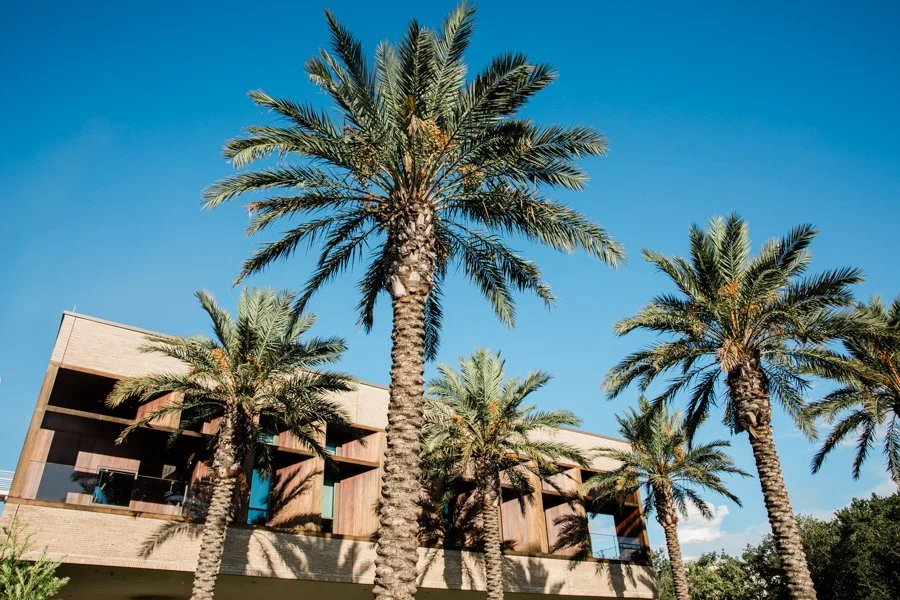
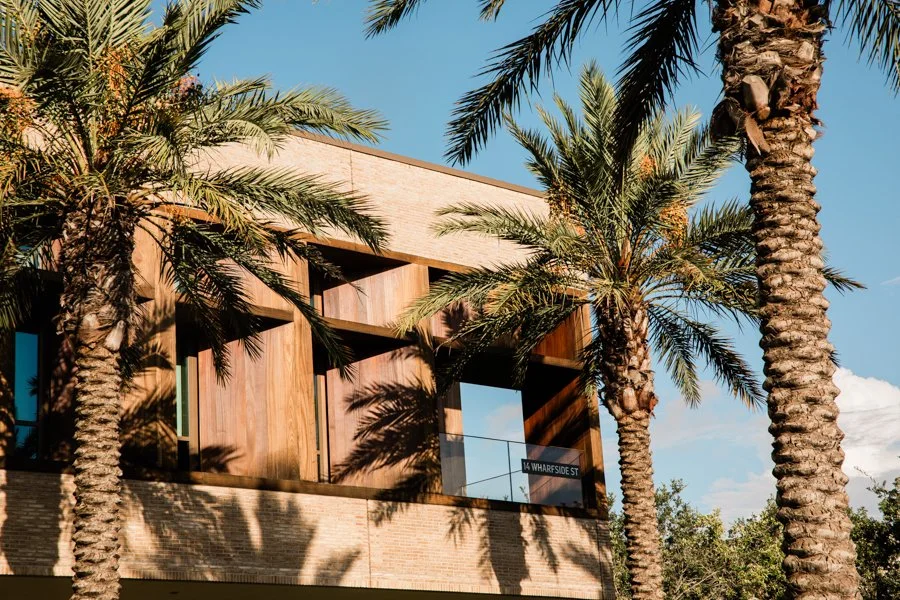
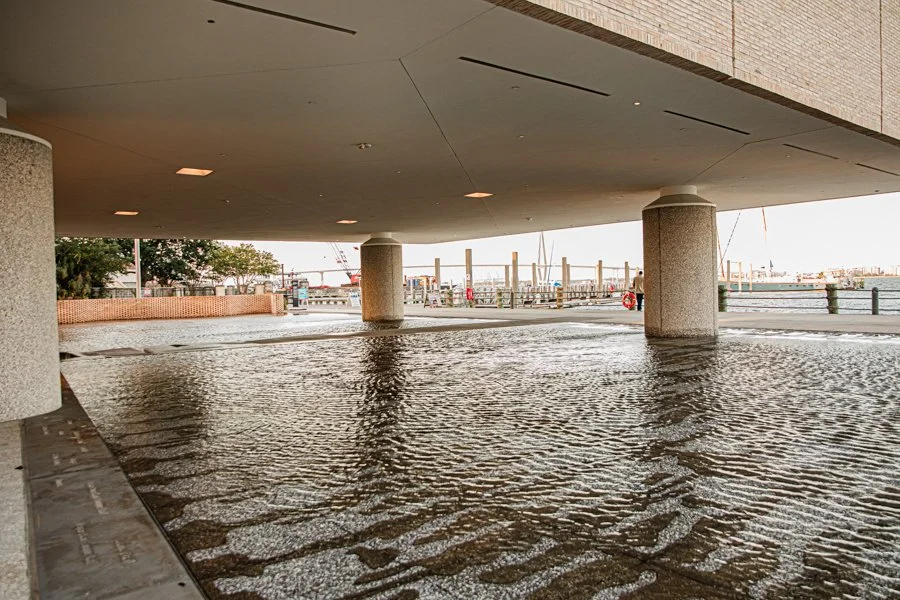
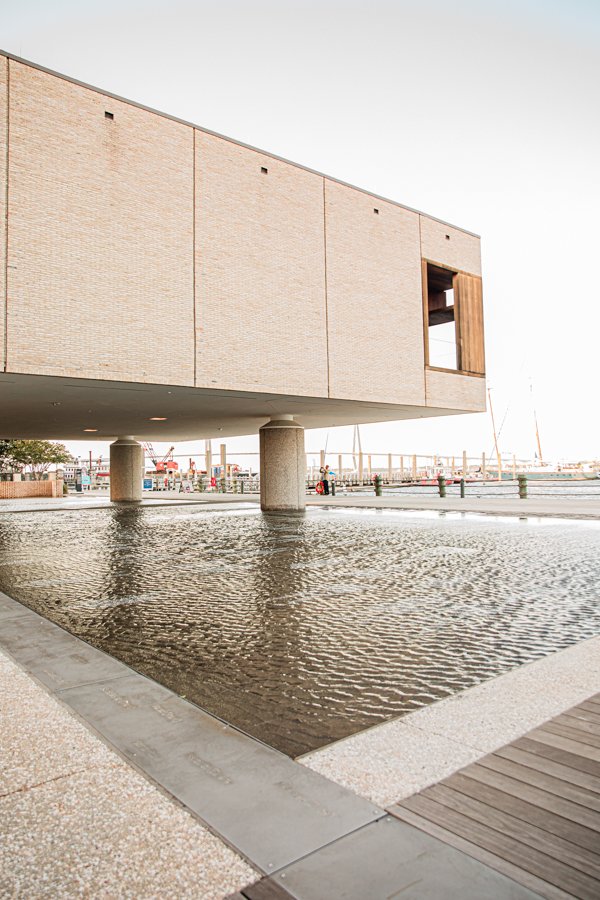
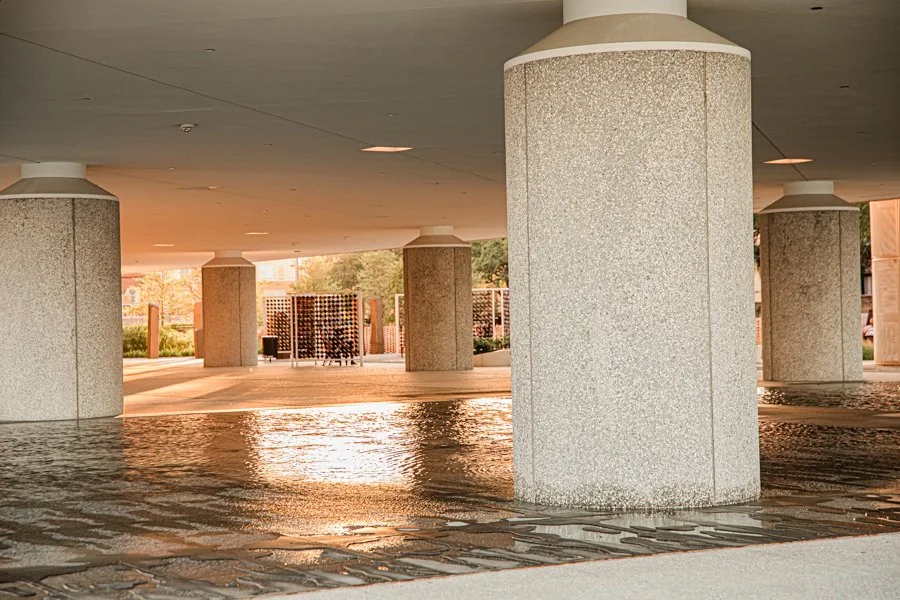
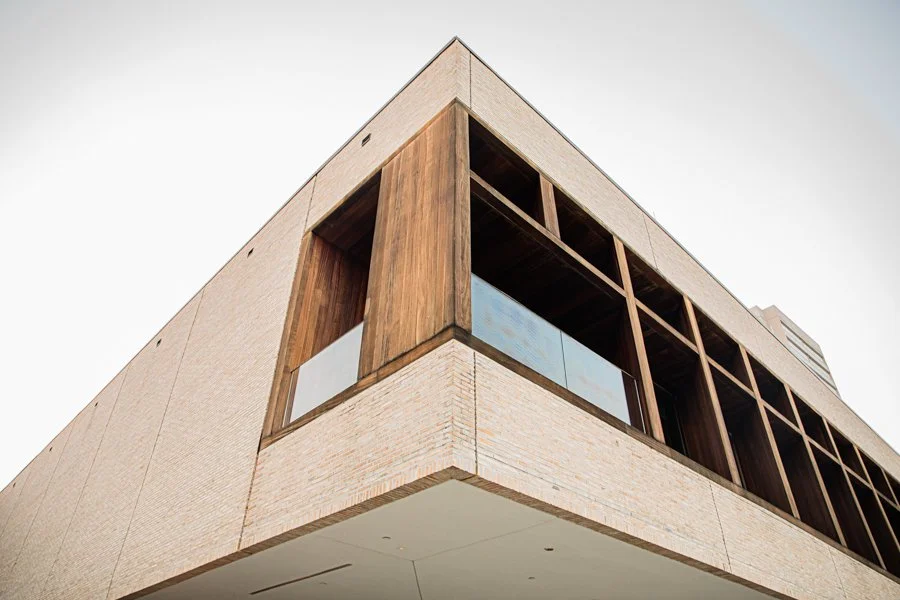
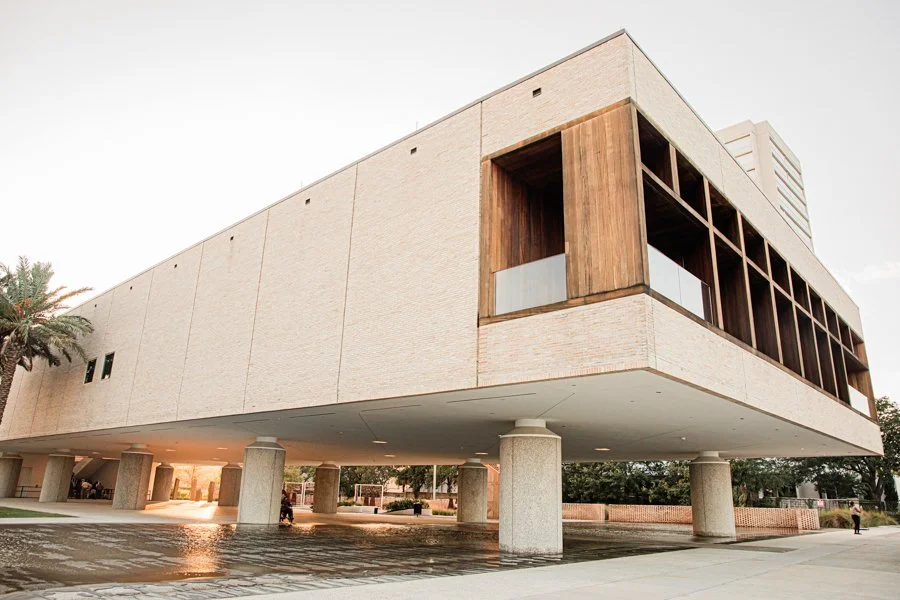
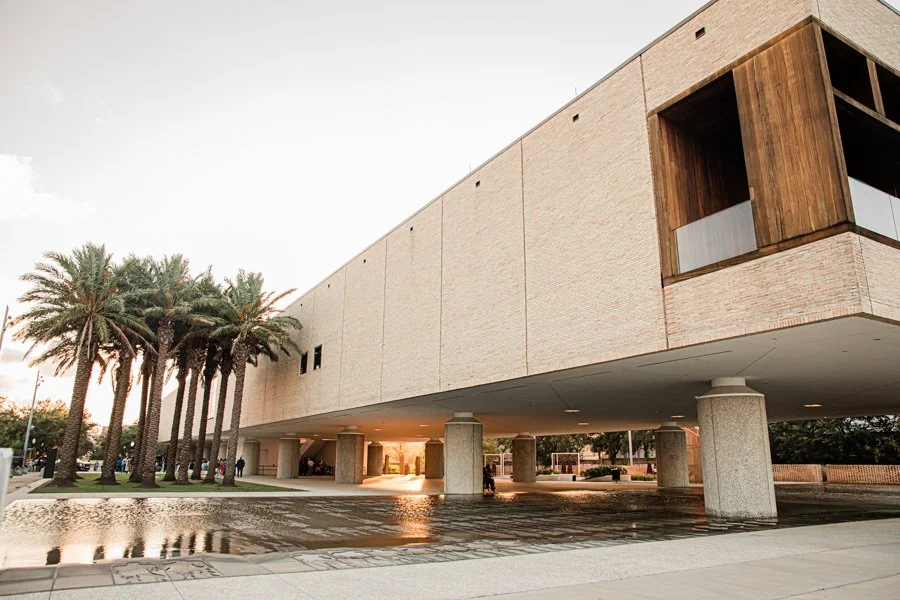
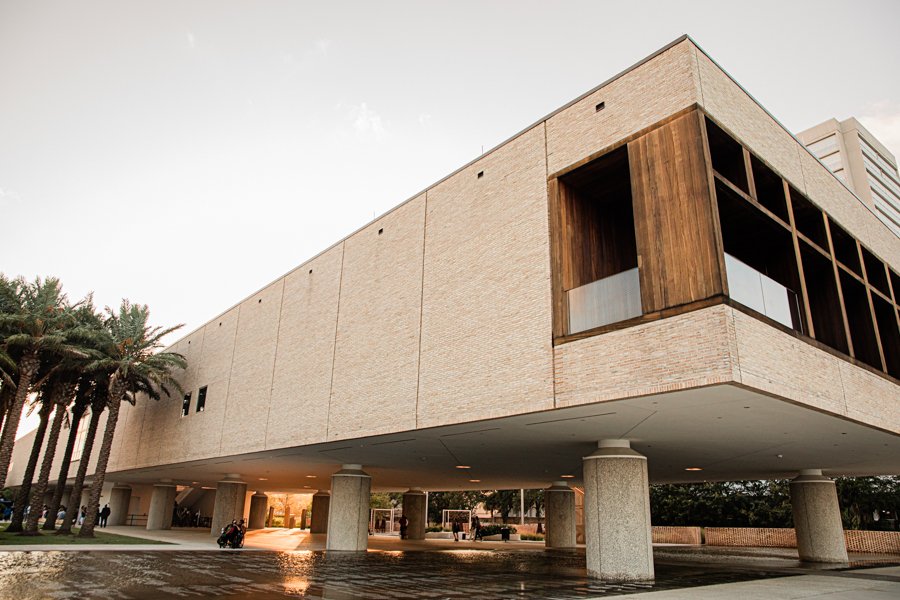
The museum, which opened in 2023 after decades of vision and planning, rises above the ground in architectural reverence — elevated so that the earth beneath it remains undisturbed. Even that design choice speaks.
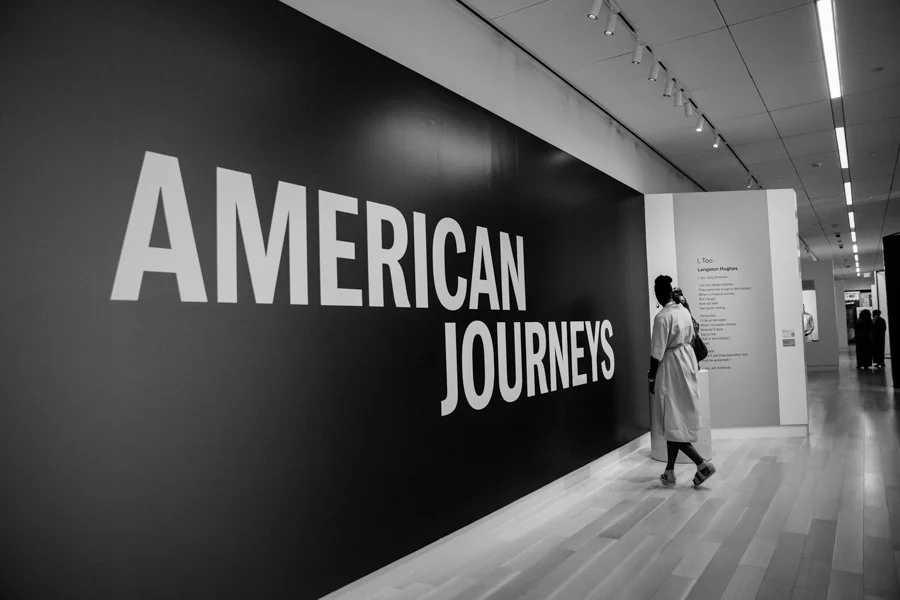
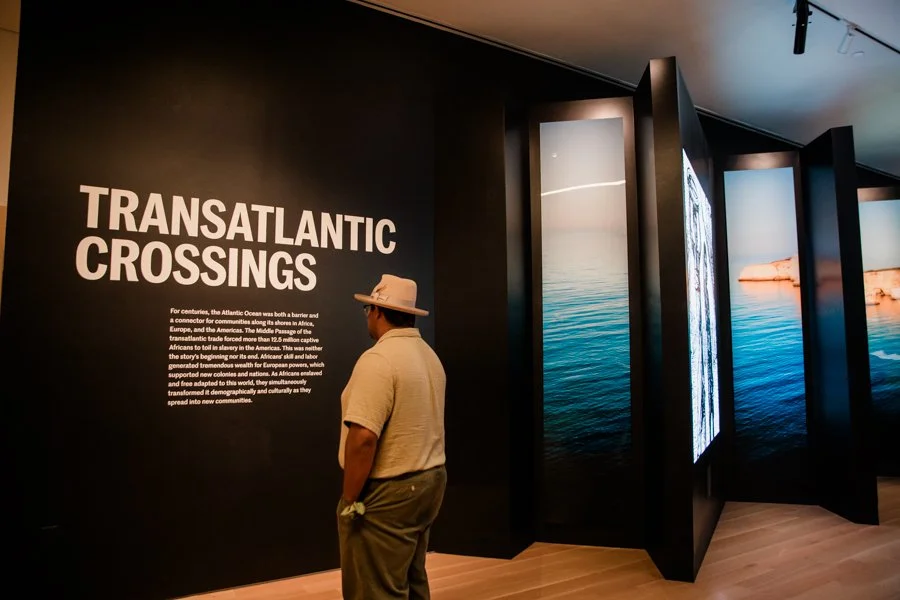
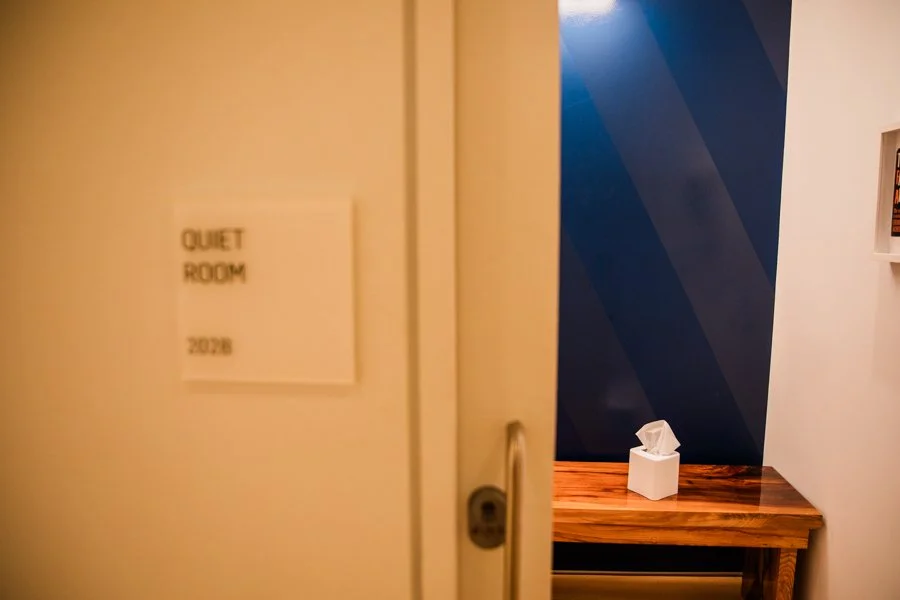
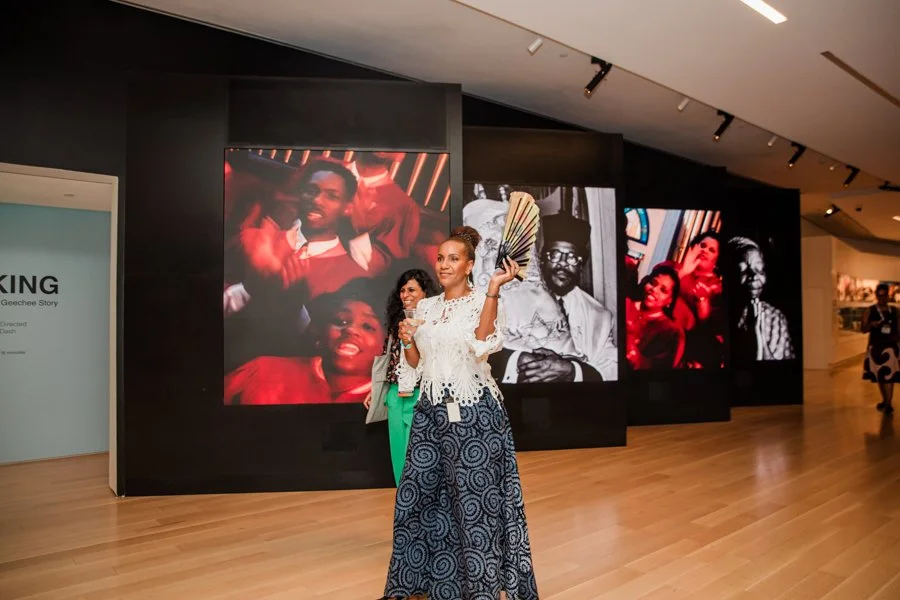
As we walked through the exhibits, I noticed the quiet hum of the harbor just beyond the glass. The water moved gently. Light filtered into the galleries. The air felt still, but not heavy — more like intentional silence.
This museum does not rush you.
It asks you to sit with what you see.
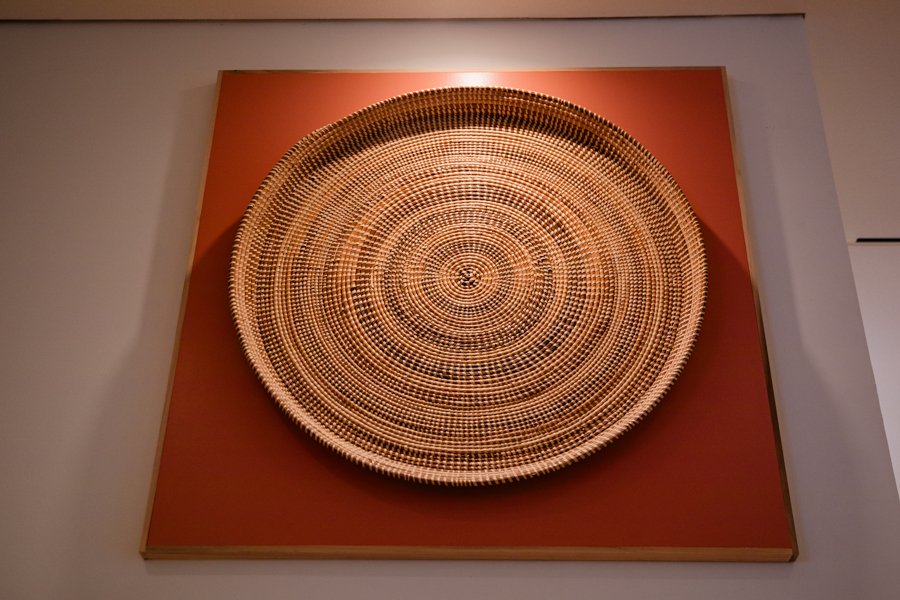
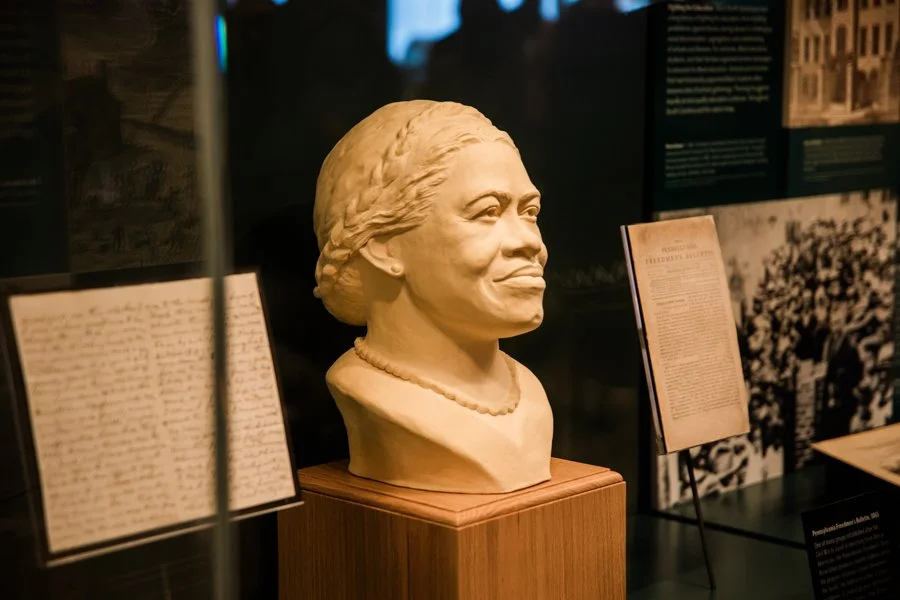
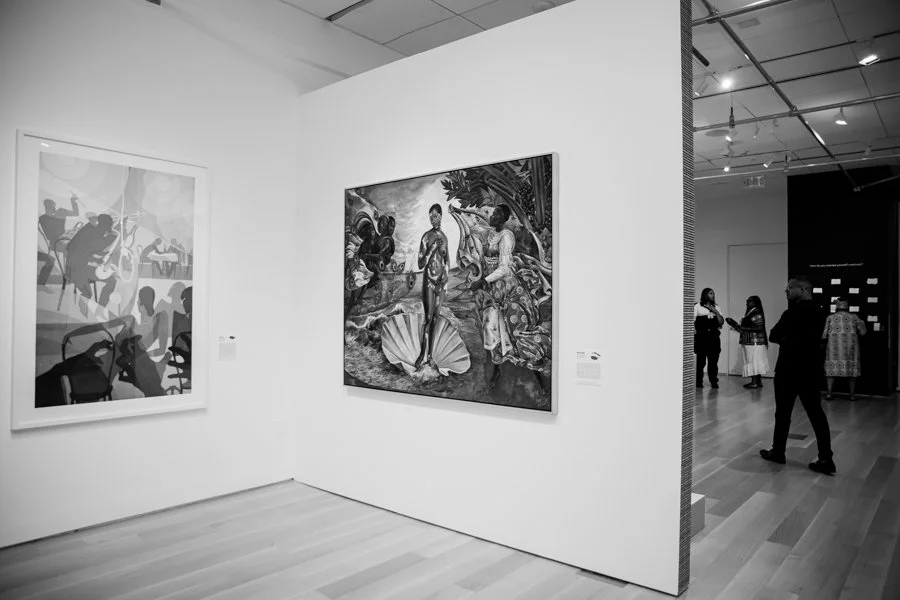
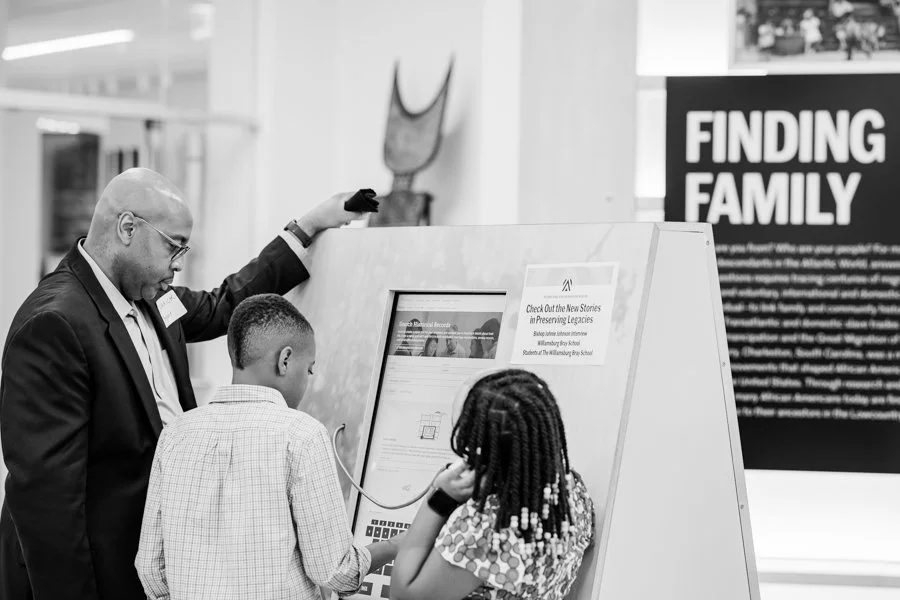
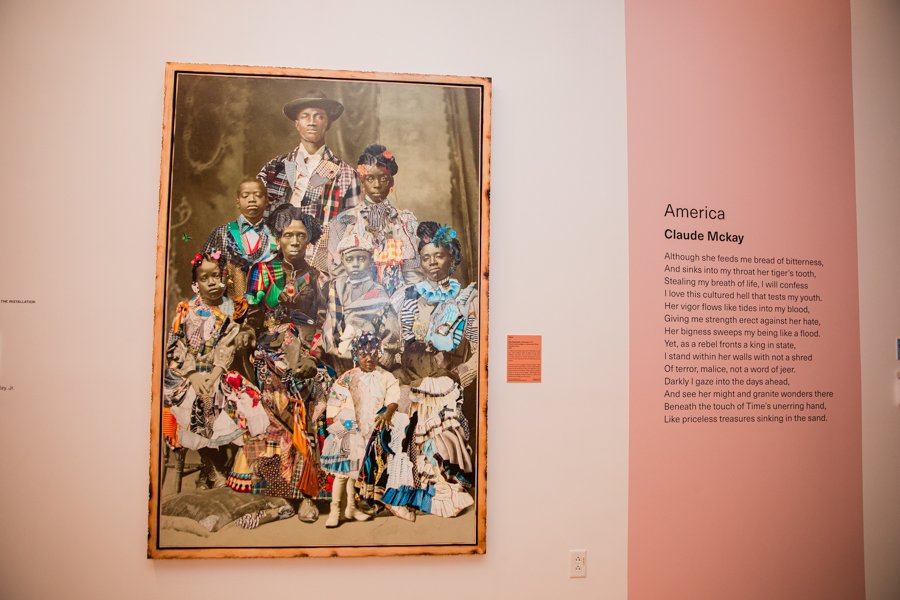
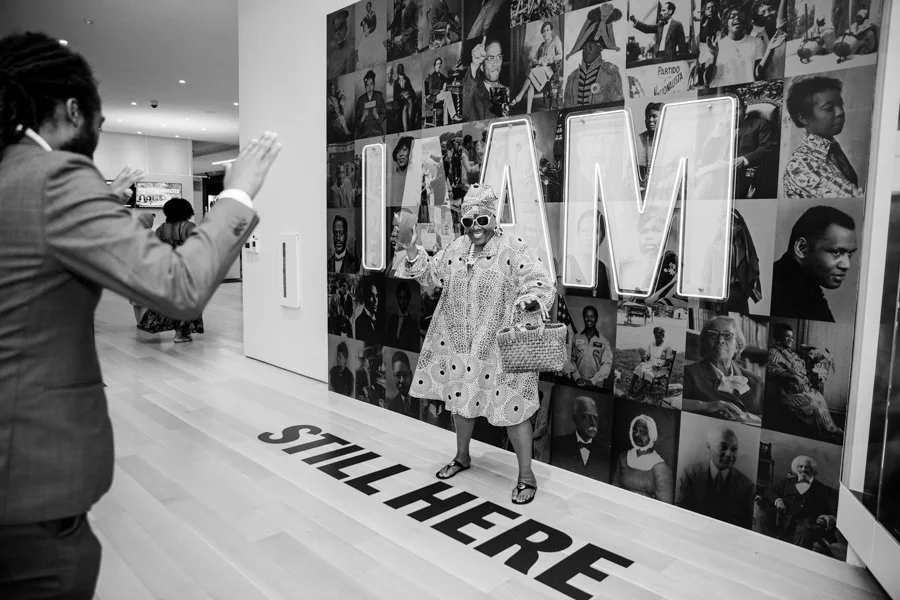
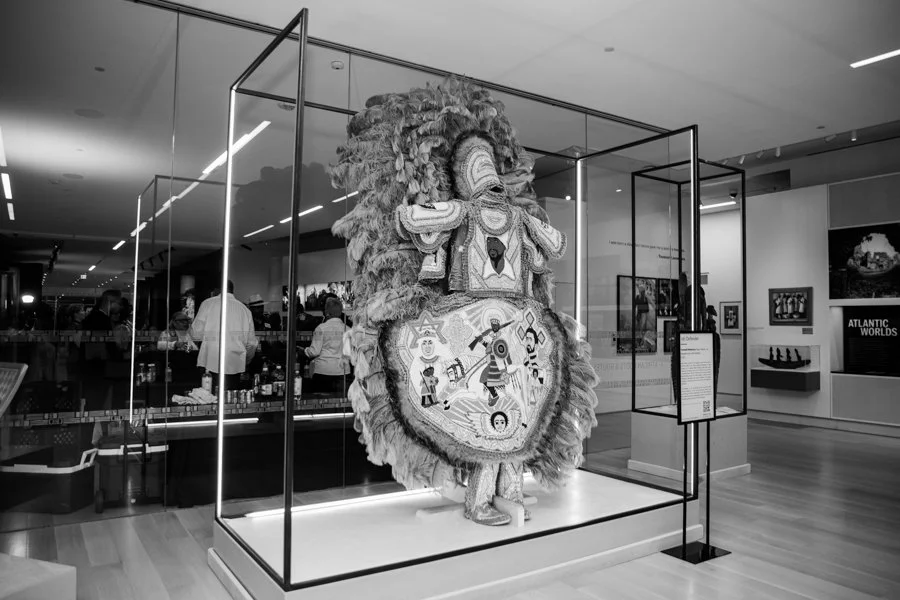
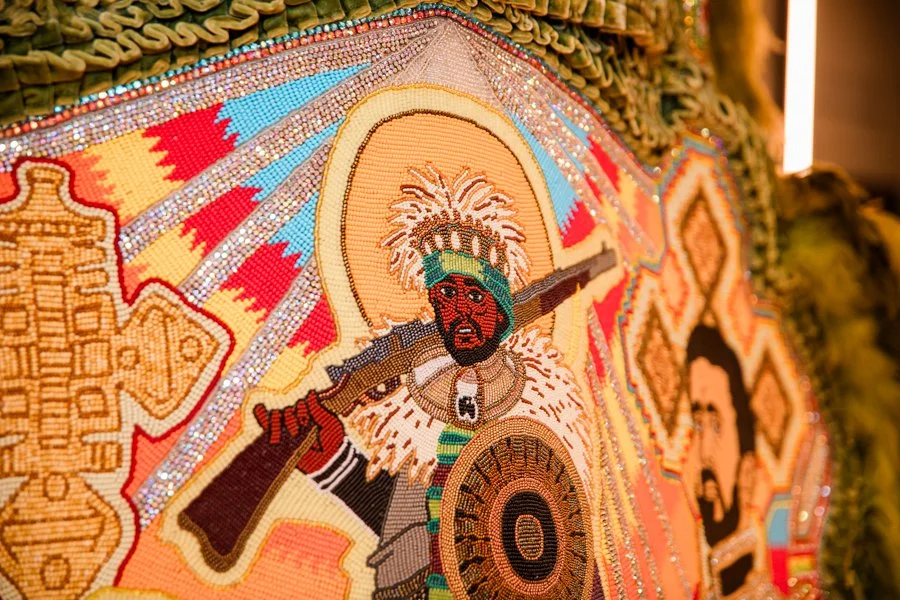
There are stories of unimaginable suffering — but also of endurance. Of creativity. Of scholarship. Of family. Of culture that refused to disappear.
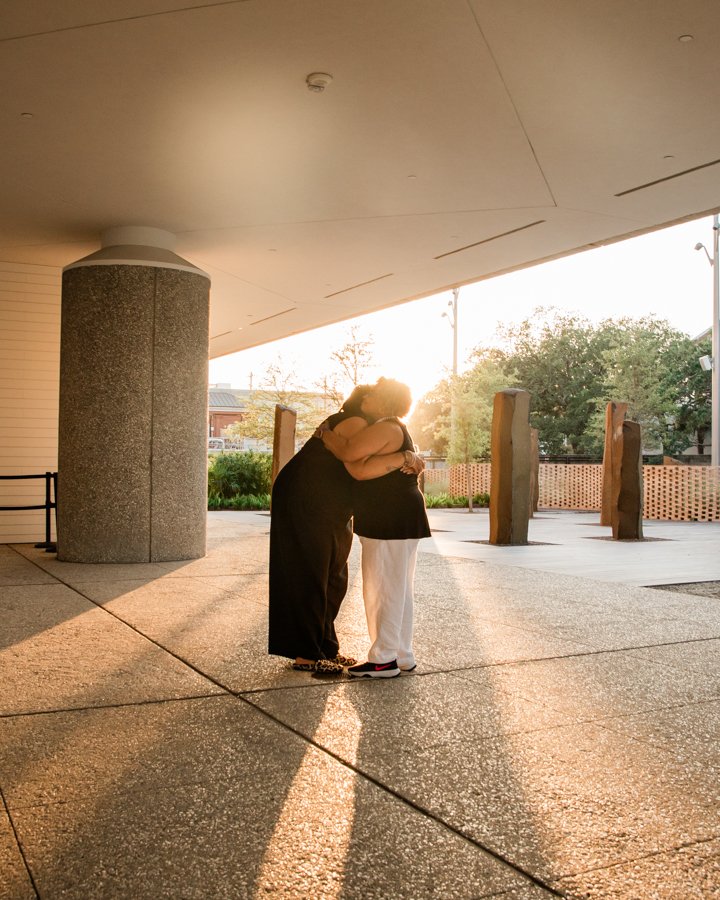
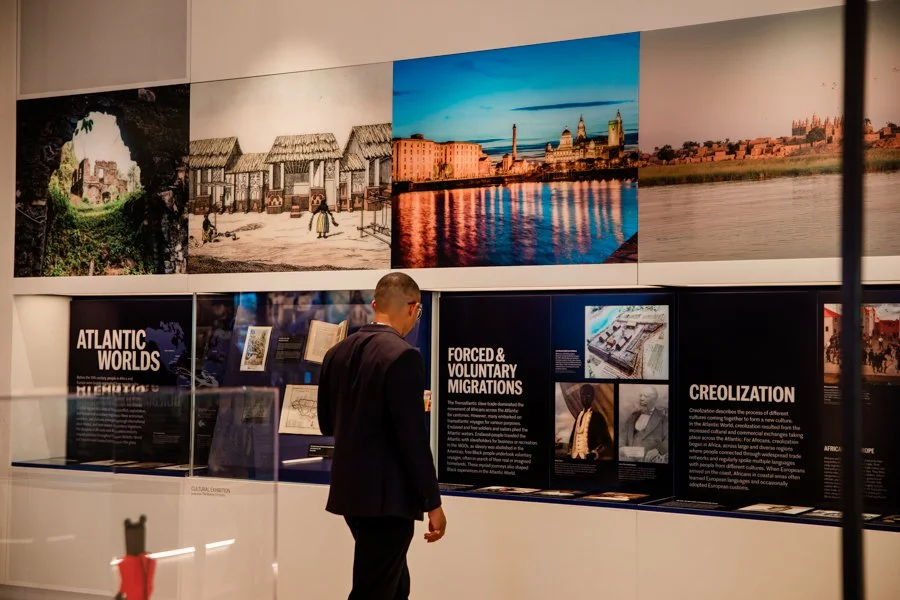
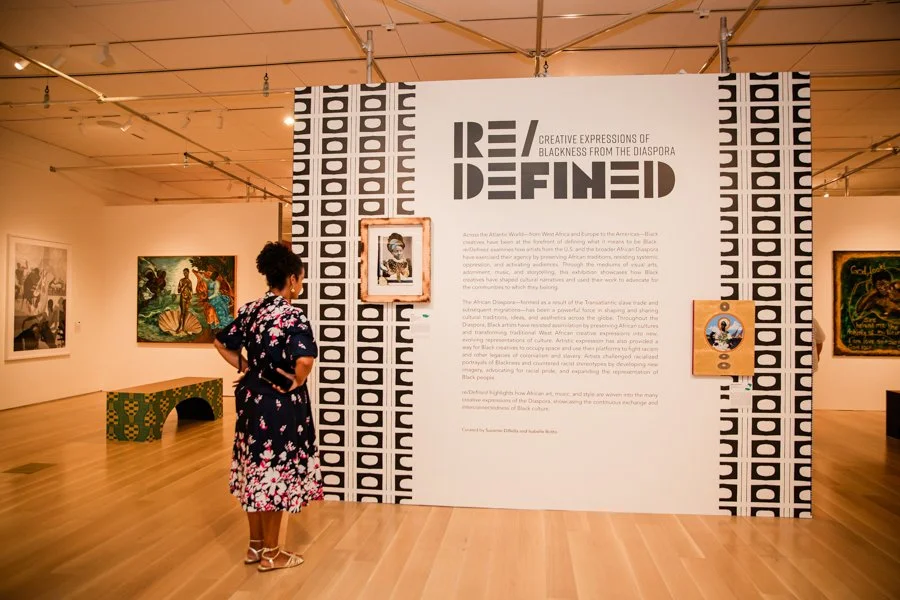
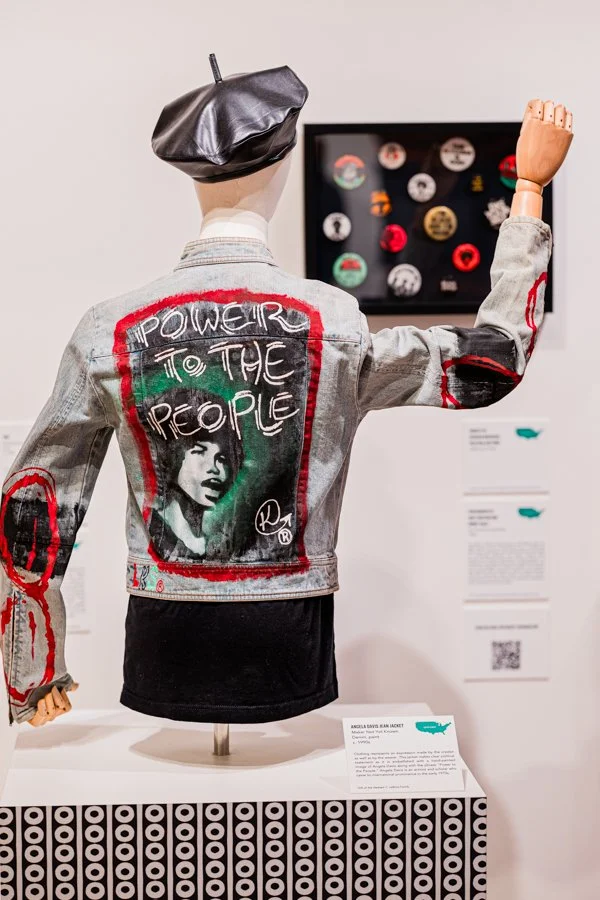
The African Ancestors Memorial Garden outside invites reflection. The exhibits inside center both historical truth and contemporary connection. It is not simply a place that tells the story of arrival — it tells the story of survival and becoming.
Documenting the Keepers of History
It was an absolute pleasure to experience this space with leaders, curators, historians, and cultural shapeshifters who dedicate their lives to preserving African American history.
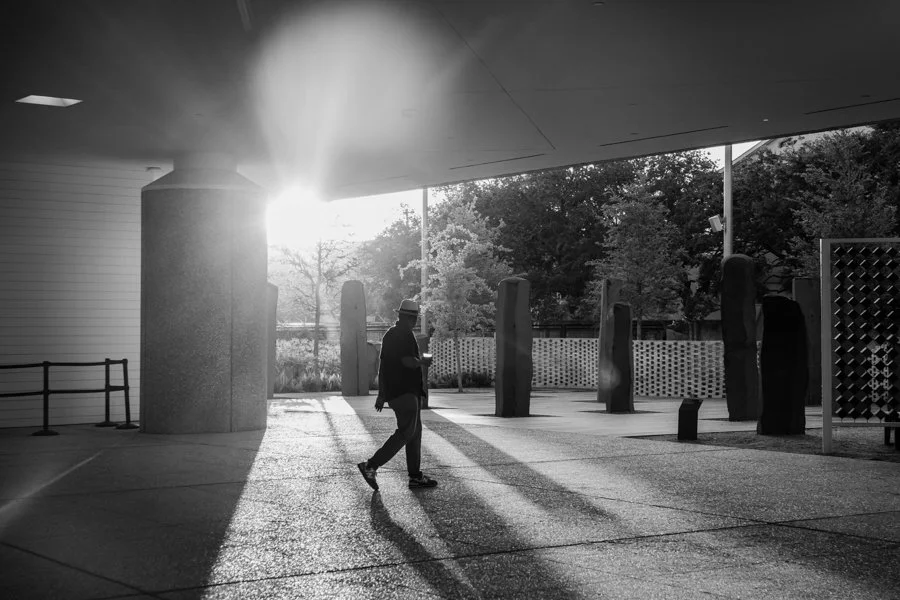
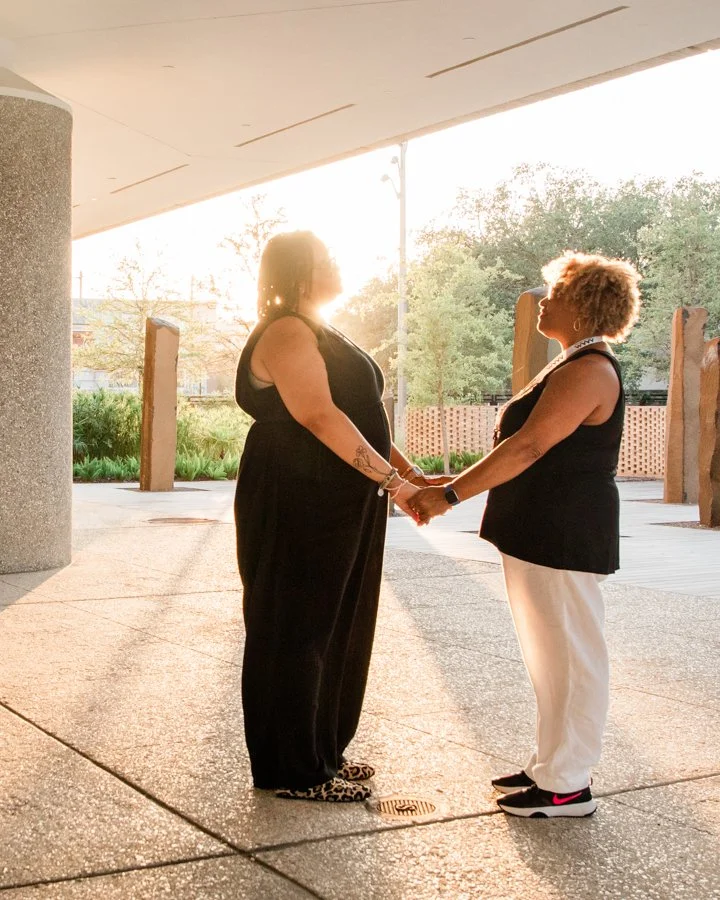
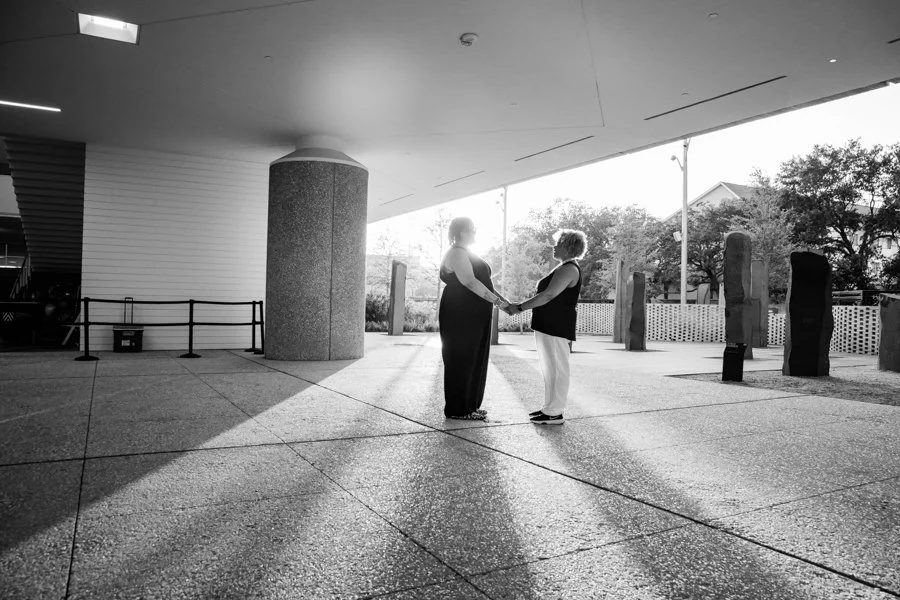
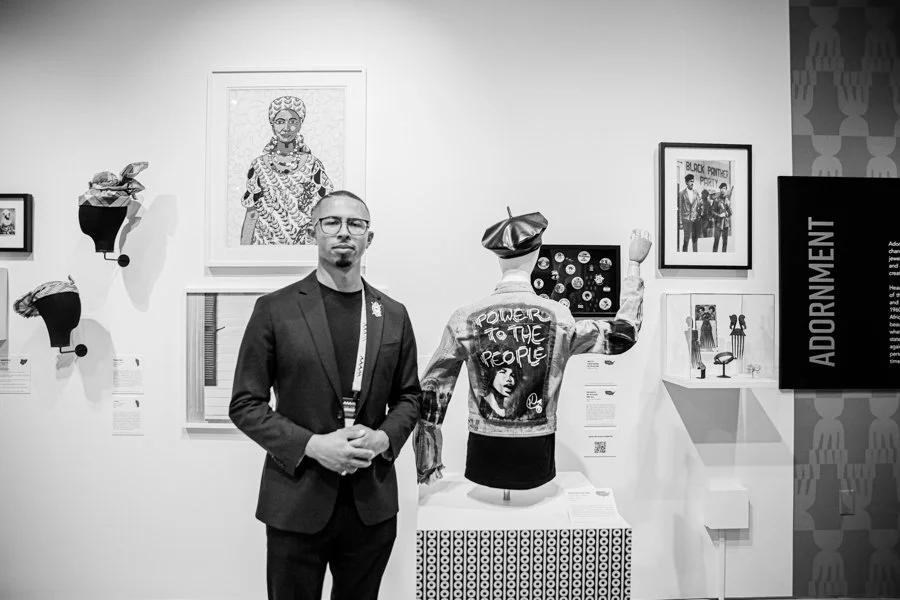
As the Resident Photographer for AAAM, my role is to document the people who safeguard these institutions , the visionaries who ensure our stories are told fully and truthfully. To photograph them against the backdrop of this sacred ground felt deeply meaningful.
To stand in a place that once symbolized despair and witness it transformed into a beacon of remembrance and community is powerful beyond words.
History is not static. It evolves. It breathes. It demands stewardship.
As I photographed conversations unfolding with the Charleston harbor behind us, I found myself already planning to return — this time with my family. Because spaces like this deserve to be experienced across generations. They deserve to be felt, discussed, and woven into the stories we tell our children.
The International African American Museum is not just a museum.
It is sacred ground reclaimed, memory made visible, and truth spoken aloud.
If you ever find yourself in Charleston, make time for this space.
Come with intention.
Leave changed.
And to document it — not just as a photographer, but as a witness — was an honor I will carry with me.
Love Deeply,
Megan Pitts
Hello@megapixelsmedia.com






International African American Museum